The Most Expensive Button in Gaming Is "Install"
Play the game
Happy Glass 2
A few months ago I watched a friend's teenage cousin try to play a game someone had recommended to him. He tapped the link, landed on the store page, hit install, and got the storage-full dialog. He scrolled through his apps looking for something to delete. He gave up somewhere around the fourth app, put the phone down, and went back to scrolling short video.
Total elapsed time: maybe ninety seconds. Somewhere, a studio had paid real money for that click.
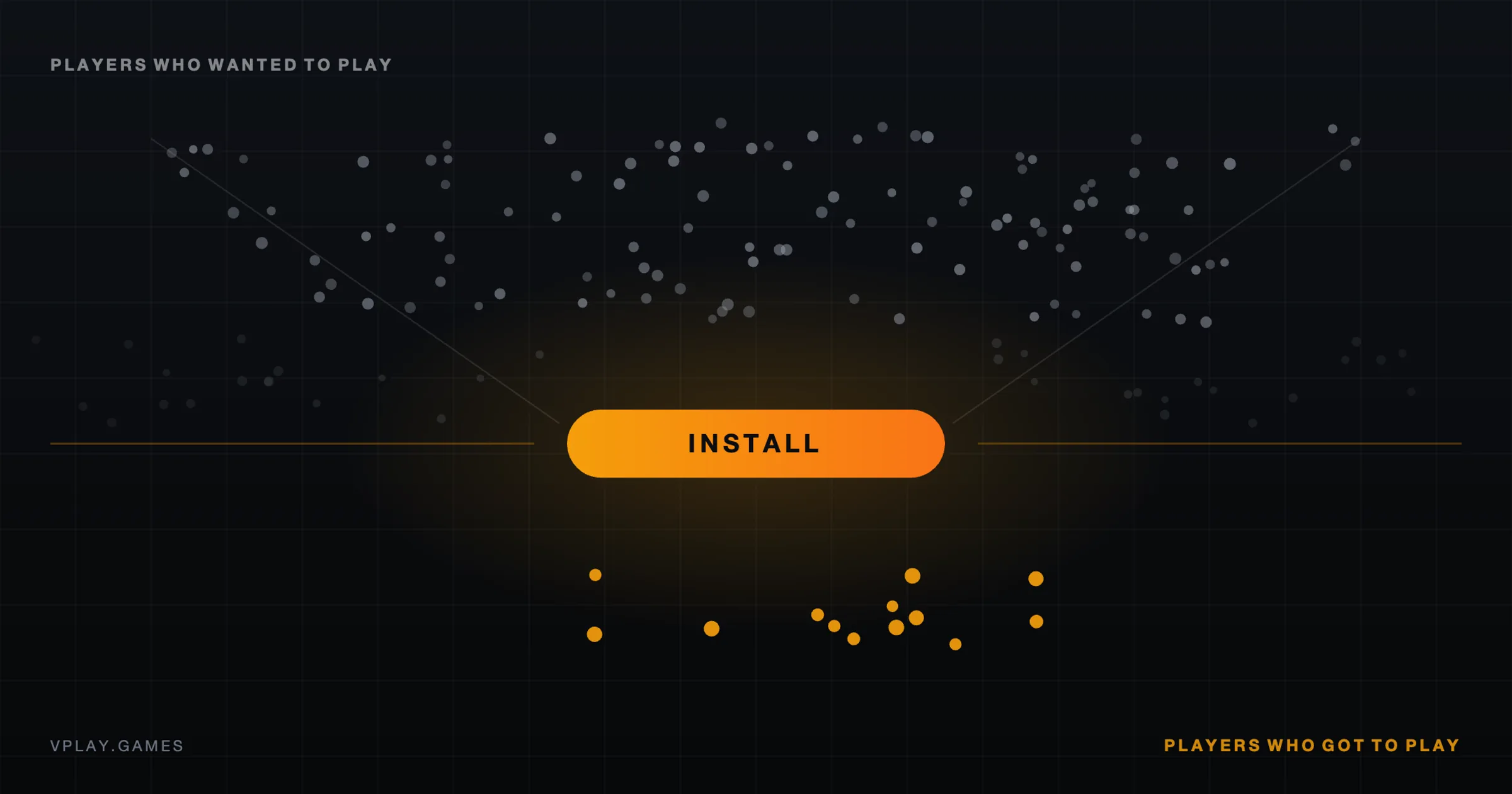
I've spent most of the last fifteen years on the business side of media and advertising, a good chunk of it watching acquisition funnels leak. And the thing that still surprises me is how much of the games industry treats the install as a neutral step — a formality between wanting to play and playing. It isn't. It's the single most expensive thing you will ever ask a casual player to do, and for a large and growing share of the world's phones, it's the step where they quietly leave.
The install is a tax, and casual games can't afford it
Here's the uncomfortable arithmetic. For a mid-core or a live-ops title with a long tail of monetisation, an install is worth paying for. You have months to earn it back. Retention compounds. Push notifications work. The economics are genuinely better inside an app, and anyone who tells you otherwise is selling something.
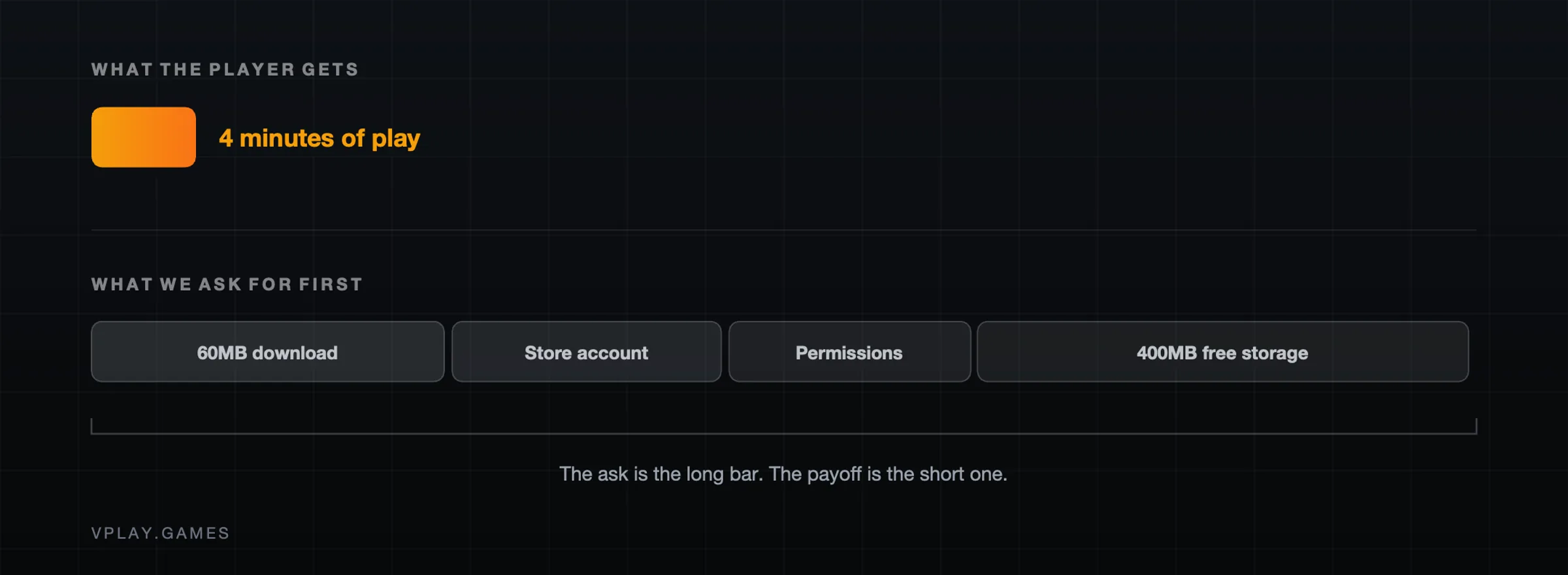
But casual is a different animal. A player finds a game, plays for four minutes, and may never think about it again. That's not a failure state — that's the format. Puzzle, arcade, hypercasual, the kind of thing you play in a queue or during an ad break. When the session is four minutes long, asking for a 60MB download, a store account, permissions, and 400MB of free storage is not a funnel step. It's a toll booth on a road nobody was that committed to driving down.
And the toll gets more expensive the further you get from a flagship phone. On the devices that most of the next billion players actually own — 3GB or 4GB of RAM, storage permanently near the line, data bought in careful increments — every install is a trade. Something else has to go. Your casual puzzle game is competing for that slot against WhatsApp, against the camera roll, against a payments app they genuinely need. It loses. It should lose.
So why did browser games spend a decade being terrible?
Because they were. I want to be honest about the category I work in, because the case for instant-play games has been made badly and often by people with an obvious interest in making it.
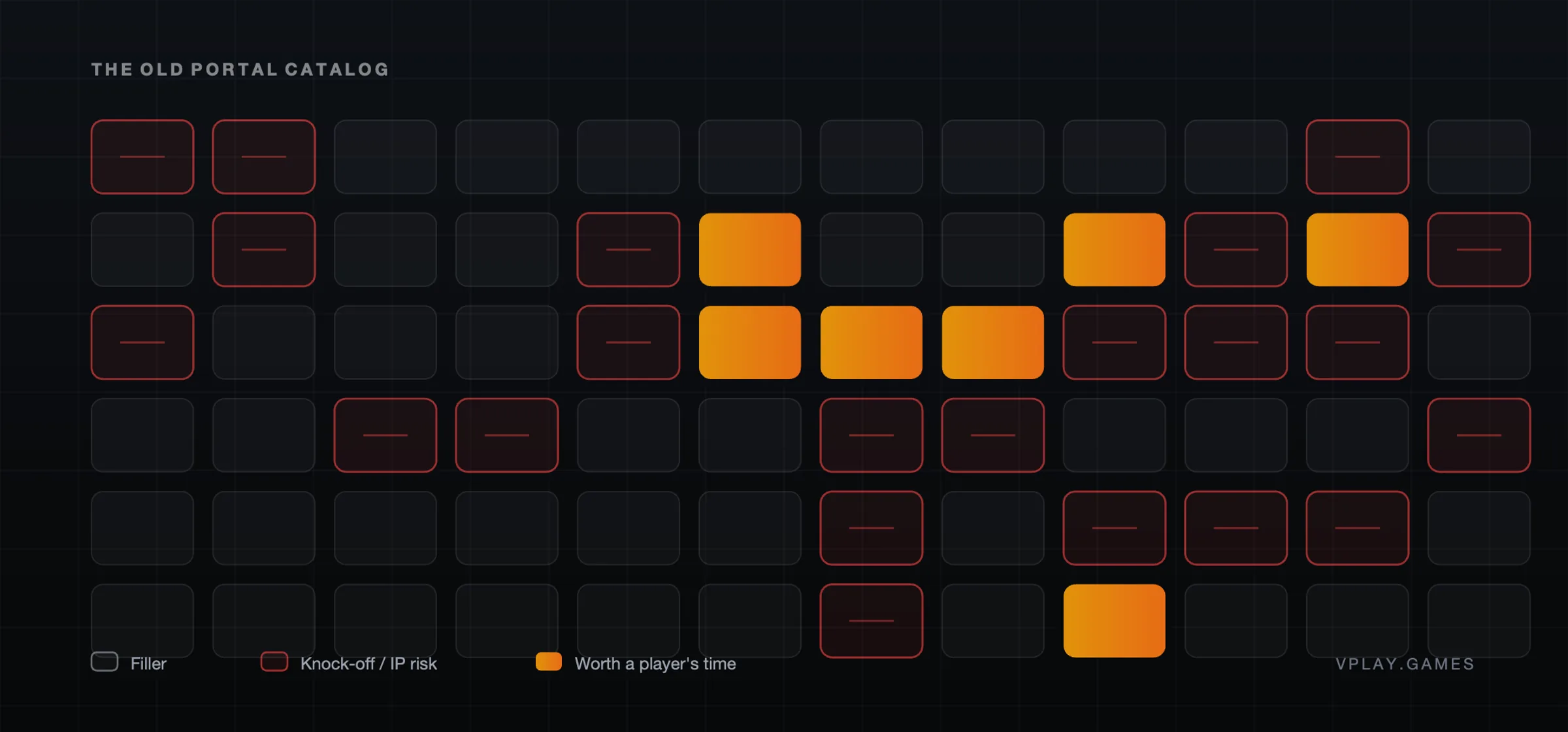
The web games era that most people remember was Flash portals: walls of thumbnails, half of them unlicensed knock-offs of whatever was popular that year, wrapped in an ad load so aggressive the game was arguably the secondary product. The games were slow, they broke, and the whole experience carried a faint whiff of something you shouldn't be clicking on at work. That reputation was earned. It took the industry a long time to shake, and in a lot of rooms it still hasn't.
What changed isn't ideology, it's plumbing. Phones got fast enough that a browser-rendered game doesn't feel like a compromise. Networks got good enough that a well-built HTML5 title loads before a player's attention wanders. Edge delivery means a player in Jakarta or Cairo isn't waiting on a server in Virginia. The technical excuses for a bad instant-play experience mostly evaporated somewhere in the last five years. What's left is whether the people building these portals actually care.
The bar we're holding ourselves to
I'll be specific about what I think "caring" means, because vague principles are cheap and I'd rather be held to something.
It loads before the player changes their mind. Not "loads fast for a web game." Loads fast. If a tile takes three seconds to appear, we've built a slower version of the store page we were trying to replace. We've spent a meaningful amount of engineering time this year on exactly this problem, and I'd say we're partway there rather than done.
No account for the first session. The player has committed nothing. Asking them to sign up before they've had any fun is asking for a deposit on a meal they haven't tasted.
The ad load has a ceiling. This is the one where the incentives push hardest in the wrong direction, and I say that as someone whose day job is largely advertising monetisation. It is very easy to add one more placement. Each one looks rational in a spreadsheet. Collectively they're how portals killed themselves last time.
We stand behind what's in the catalog. Anything with a title that's a near-miss of a famous franchise, anything that borrows art it has no right to — that isn't a growth shortcut, it's a liability with a countdown on it. Curation is a cost. We treat it as one.
The claim I'm actually making
Not that apps are finished. They aren't, and predicting their death has been a reliable way to look foolish for about a decade now. If you're building a game that people will play daily for two years, build an app.
The narrower claim is this: for casual games, the browser is the better top of funnel, and treating it as a downgraded version of the app store is a strategic error. Cold traffic, players who've never heard of you, a link shared in a group chat, a phone with no room left — that's where instant play wins, and it isn't close. The install can come later, from someone who already knows they like the game. That's a much cheaper install to buy, because you're not paying to convince a stranger.
What I keep coming back to is that ninety seconds. Somebody wanted to play. The infrastructure between them and the game decided otherwise. Every time that happens it registers as a lost user in someone's dashboard, when what it actually is, is a person who was ready and got bored waiting.
That's the problem we're trying to solve. Some days we solve it better than others.
🎮 Ready to play? Try these games on VPlay:
- Happy Glass 2 — A physics puzzle where you draw lines to guide water into the glass, no downloads required
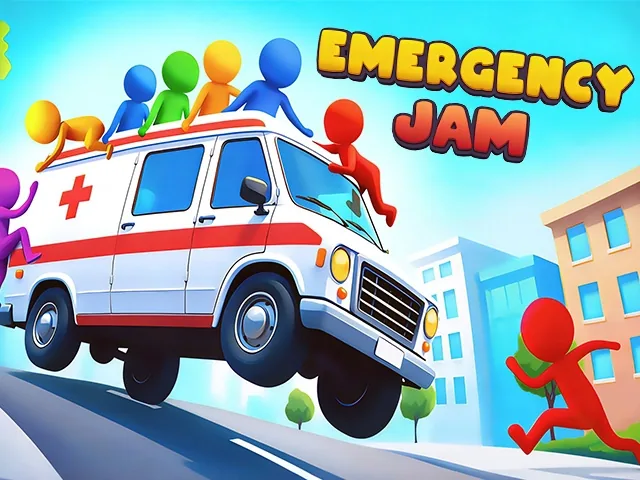
- Emergency Jam — Fast-paced action that loads instantly in your browser, zero installation friction
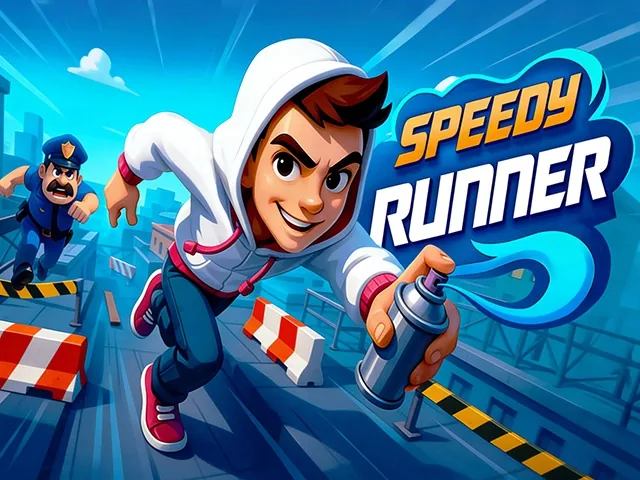
- Speedy Runner — Classic arcade runner fun, playable the moment you click the link
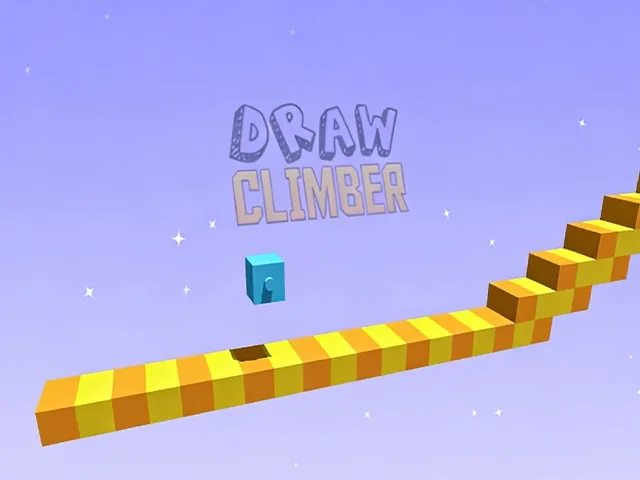
- Draw Climber — Creative drawing puzzle where you shape legs to climb obstacles, instant-play only