
AI-Generated Game Art Is Everywhere Now. Here's What It's Actually Changing
Play the game
Emoji Guess Master
Five takes on where AI-generated creative in gaming actually stands right now, not where the hype cycle wants it to stand.
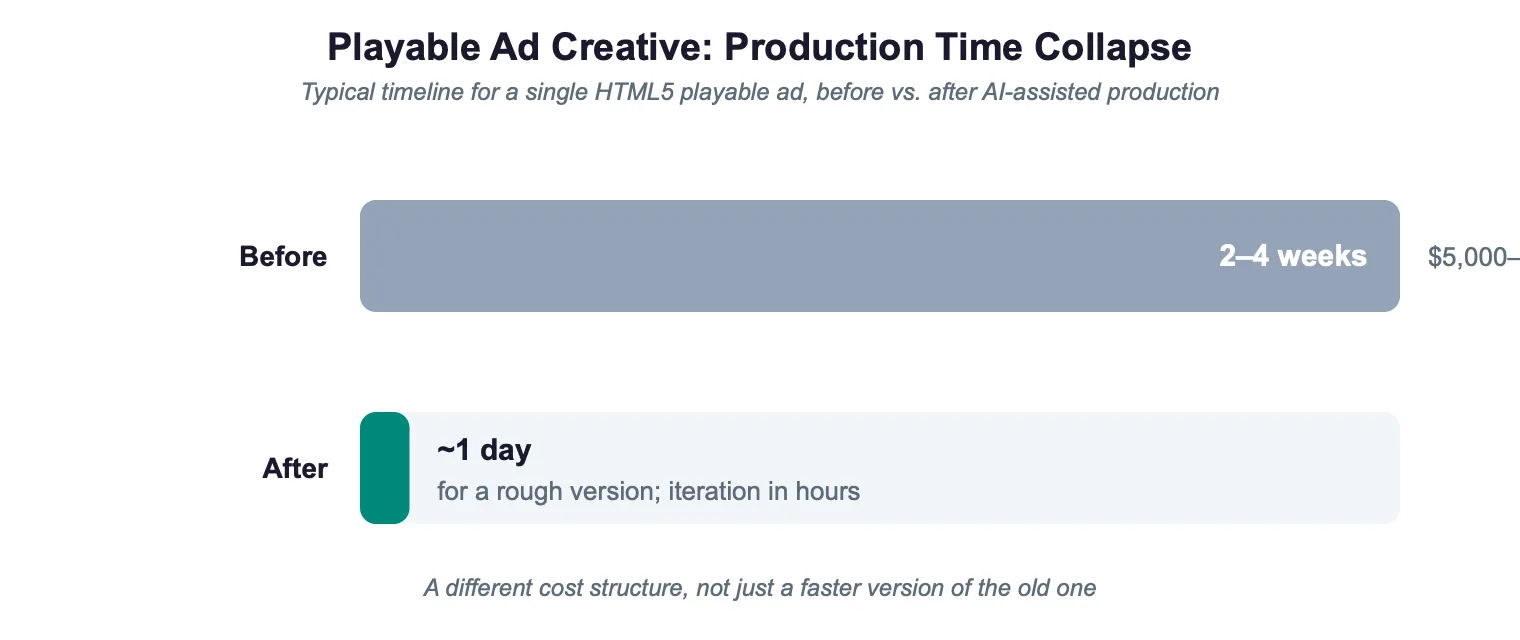
The cost collapse is real, and it's bigger than most people outside production teams realize. A playable ad — the small interactive HTML5 mini-game used as an ad unit, the "sort the colors" or "untangle the rope" style creative that's been everywhere in mobile UA for years — used to take a small team two to four weeks and somewhere in the $5,000 to $10,000 range to produce properly, between concept art, animation, and build. AI-assisted production tools have collapsed that timeline into something closer to a single day for a rough version, with iteration on variations happening in hours rather than weeks. That's not an incremental efficiency gain. That's a different cost structure entirely, and it's why even small, scrappy teams can now run creative testing volume that used to require a studio-level production budget.

"AI fatigue" is a real, measurable phenomenon, not just a complaint from people who dislike AI on principle. Spend any time in mobile gaming communities on Reddit or watching UA creative discussion on gaming Twitter and you'll see the same pattern repeating: players have gotten visibly better at spotting AI-generated ad creative, and the reaction isn't neutral — it's often actively negative. The wave of nearly identical "satisfying simulation" ads that flooded hyper-casual UA a few years back — the sorting games, the oddly specific "which shape fits the hole" format — became a punchline before most studios even noticed the format had saturated. Audiences don't just get bored of a creative style. They start associating it with low effort, and that association bleeds into how they perceive the actual game being advertised, even if the game itself has nothing to do with the ad's visual style.
The studios losing performance aren't losing it because of AI. They're losing it because they skipped the part AI can't actually do. This is the distinction that gets lost in most of the doom-and-gloom commentary about AI replacing creative work. AI tools are extraordinarily good at execution — rendering an image, animating a sequence, generating dozens of variations fast. They are not good at deciding what the core creative idea should be in the first place, or whether a particular visual hook actually connects to the game's real value proposition. A studio that uses AI to execute a strong, specific creative concept faster is in a genuinely better position than it was five years ago. A studio that uses AI as a substitute for having a creative concept at all — generating volume without direction, hoping something in the pile performs — is the one quietly watching its click-through rates decay, and blaming the wrong variable when it tries to diagnose why.
The actual skill shortage right now isn't "people who can use AI tools." It's "people who can tell AI tools what to make." Prompt engineering as a discipline gets mocked fairly often, but the underlying skill it's pointing at is real: knowing precisely what visual idea you're trying to communicate, translating that into language specific enough for a generation tool to execute well, and then knowing immediately whether the output actually serves the concept or just looks superficially polished while missing the point entirely. That's an art direction skill wearing a technical disguise. Teams that have someone genuinely good at this are producing creative that doesn't read as generic AI output, even when AI tools did most of the actual rendering work. Teams without that person are producing creative that's technically competent and emotionally forgettable, which is precisely the kind of content audiences have started tuning out.
None of this is a temporary phase that resolves once the tools get better. The tools will keep getting better, and the gap between "studio with strong creative direction using AI as a production accelerant" and "studio using AI as a substitute for creative direction" will keep widening rather than closing, because better tools make the execution side easier for everyone equally — which means the actual differentiator increasingly sits entirely on the direction side, the part that was never really about the technology in the first place. The race to the bottom in AI-generated ad creative isn't an AI problem. It's the same race to the bottom that happened with interstitial ad quality a few years earlier, just running on a faster, cheaper production line this time.
🎮 Ready to play? Try these games on VPlay:
- Emoji Guess Master — Visual word puzzle demonstrating how simple art styles drive clear communication
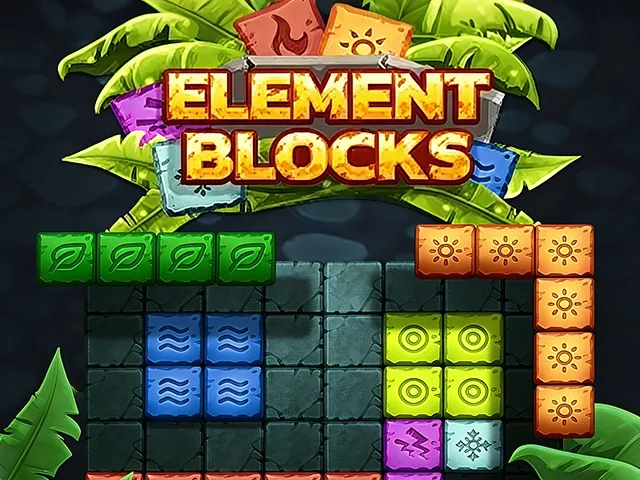
- Element Blocks — Elemental-themed block puzzle where visual clarity is the core design principle
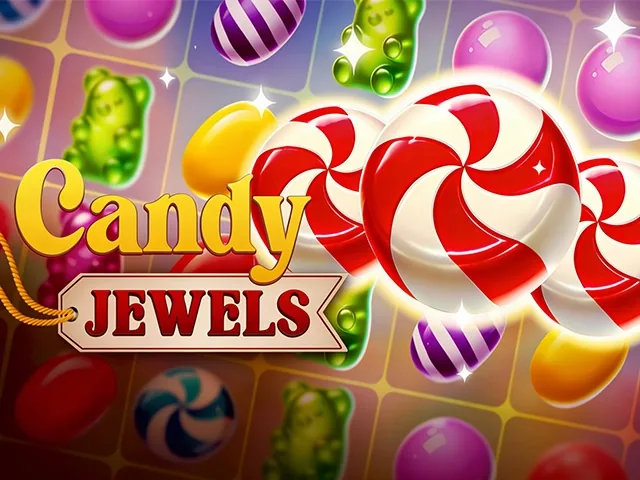
- Candy Jewels — Vibrant match-3 visuals that balance artistic appeal with gameplay readability
- Gothic New Era — Character styling and fashion gameplay showcasing evolving visual aesthetics in browser games
Play these games

More from the blog
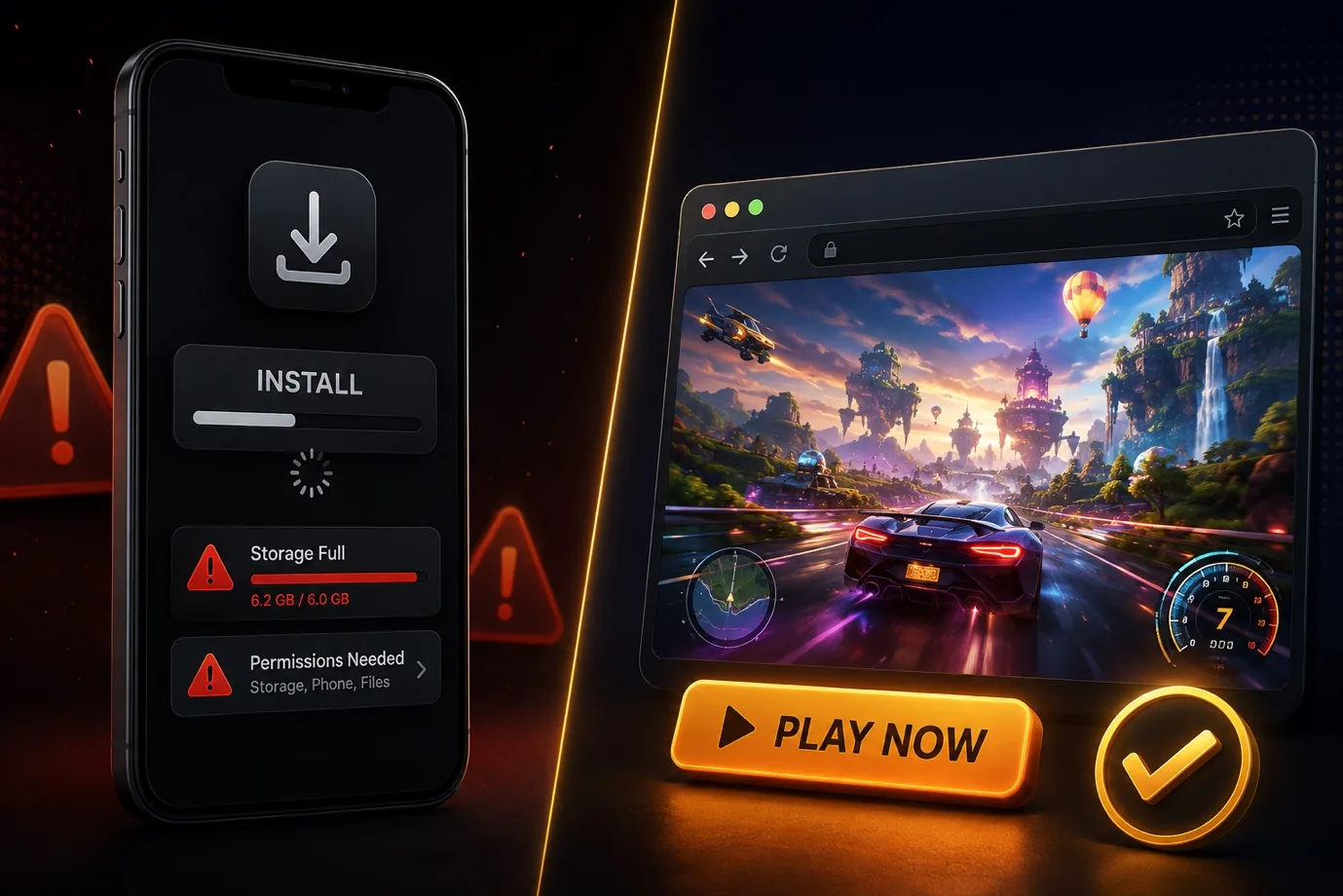
Why HTML5 Browser Games Are Making a Quiet Comeback in 2026
If you had told any gaming industry analyst five years ago that browser-based HTML5 games would be posting double-digit growth in 2026, they would have laughed you out of the room. The narrative was w

Micro Drama and Mobile Games Are Converging, And Coins Are the Reason
There's a conversation that's been happening in gaming industry circles for the past year or so, mostly in podcast and newsletter form rather than splashy headlines, about a content category that didn