
Browser Games Never Actually Died, They Just Went Quiet for a Decade
Play the game
Drive Mad
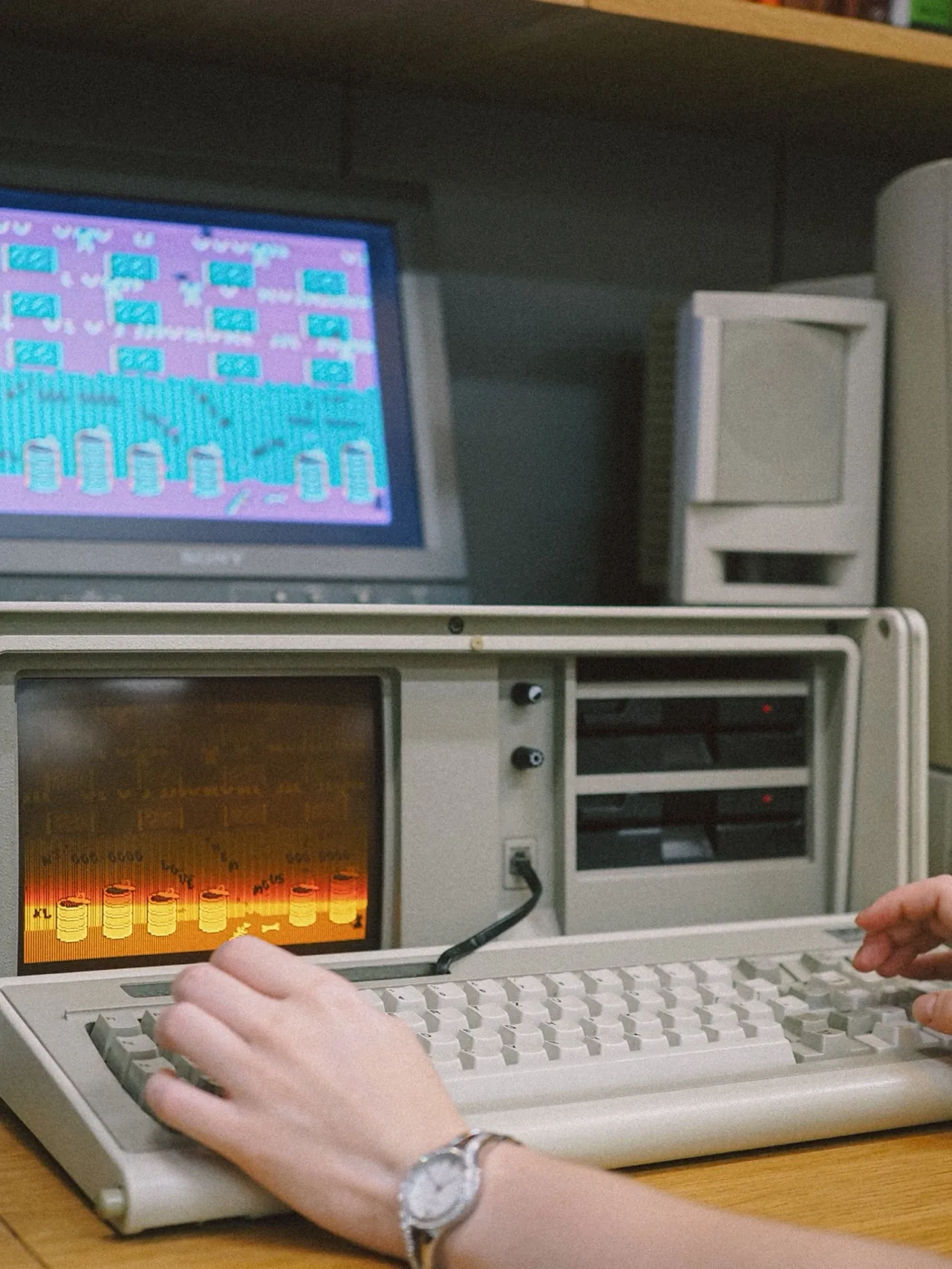
When Adobe finally killed Flash in December 2020, most of the internet treated it as a funeral nobody attended. The actual mourners were a strange mix: animation studios, a handful of ad agencies still running Flash banners out of habit, and millions of people who didn't realize they'd just lost access to the version of the internet where they first played a video game. Somewhere in a dead Flash file was the last save state of a million browser games nobody had thought about in years. The general assumption was that browser gaming had died with the plugin. That assumption was wrong, but it took the rest of the industry about four years to notice.
To understand why, it helps to go back further than Flash's death — to the period when browser games were actually a real business, not a nostalgia category.

Miniclip is the obvious starting point. The company built its own arcade-style games and ran them on its own site, but it also did something that looked almost careless at the time: it let any other website embed those games for free. No licensing fee, no approval process most people remember as painful. The logic was distribution over control — every site running a Miniclip game was another doorway into Miniclip's ad inventory, and the company didn't need to own the doorway to collect the toll on the other side.
Kongregate took a different bet entirely. Most people assume browser games made their money the way they assume all free content makes money — ads, and lots of them. Kongregate's actual numbers tell a different story. At its peak, roughly 80% of its revenue came from in-app purchases, not advertising, driven heavily by midcore genres that gave players something worth paying for instead of something worth watching an ad to skip. That's not a small detail. It means the "browser games only work with ads" assumption that still gets repeated today was never universally true — it was true for the casual end of the market and false for the part of it actually building deep, monetizable game economies.

Then there's Pogo, which might be the single most underappreciated survivor in this entire history. Pogo launched in 1995, which puts it roughly contemporary with the early commercial web itself. EA bought it in 2001 and, by 2003, had already added a monthly subscription model and in-app purchases on top of its card and casino game catalog — years before "freemium" became an industry-standard term anyone used out loud. Pogo is still running today. It migrated from Flash to HTML5 along with everyone else, and if you've played certain titles on it recently — Solitaire Home Story is a known offender — you'll notice the HTML5 client still occasionally crashes under its own weight. Twenty-five years of legacy code doesn't migrate cleanly just because the underlying technology changed.
That's the part of the story that gets skipped when people talk about browser gaming's "comeback." It never actually went away. What happened instead was a decade-long quiet period where the platforms that mattered shifted underneath it without anyone narrating the shift in real time. Mobile apps ate the attention. Browser gaming kept running in the background, mostly ignored, technically alive the whole time.

The actual comeback — the one people are finally writing about — has a different shape than a simple revival. WeChat Mini Games didn't resurrect browser gaming; it built a parallel version of the same idea inside a chat app, and that version now generates billions in transaction volume without a single download ever happening. Telegram followed a similar instinct more recently, leaning into HTML5 games as a native feature rather than a bolted-on gimmick, complete with social integrations and full-screen support that earlier browser portals never had the infrastructure to offer.
None of this is really a second act for browser gaming. It's the first act, continuing, just with better distribution mechanics than a 2008-era Miniclip embed code ever had. The game never ended. The audience just moved to where the conversation was loudest, and it took the rest of the industry a long time to notice the game was still being played somewhere quieter.
What’s your take!
(With inputs from VaryGaming editorial team)
Play these games

More from the blog
Puzzle Game Design: Why the Best Levels Feel Impossible Until They Aren't
There's a specific moment in every great puzzle game that designers chase and players live for. You've been staring at the same screen for five minutes. You've tried every obvious move. You're convinc

How Ludo Odds Actually Work: A Closer Look at the Dice
Most "how to win at Ludo" content online amounts to vague advice like "be patient" or "don't take risks," none of which actually explains anything, because the real answer to almost every decision in

Eight Ball Pool Strategy Basics Most Players Skip
Most people learn pool the same way: someone shows them how to hold a cue, explains that you have to pot your group of balls before the eight, and then leaves them to figure out the rest by trial and