
How Turkish Game Studios Quietly Took Over the Match-3 Genre

Play the game
Farm Heroes Match
Match-3 looked like a settled genre for most of the last decade. Candy Crush had won, King had been acquired by Activision Blizzard for $5.9 billion in 2016, and the conventional wisdom in mobile gaming was that the genre's biggest battles were already fought and decided. Then a relatively small studio in Istanbul started quietly outperforming the genre's biggest incumbent on its own turf, and the conventional wisdom needed updating.
The studio was Peak Games, and the games were Toon Blast and Toy Blast — both built on a block-blast mechanic adjacent to traditional match-3 rather than a direct clone of it. By 2020, Peak Games' puzzle portfolio had grown enough that Zynga acquired the company for $1.8 billion, a number that made people outside Turkey notice the country's mobile gaming scene for the first time. But the acquisition wasn't really the interesting part of the story. The interesting part happened after it.
A meaningful share of Peak Games' early team didn't stay inside Zynga after the acquisition. They left, and they didn't leave to join other established studios — they left to start their own. Dream Games was founded by former Peak Games employees and built Royal Match, a title that has spent extended stretches sitting above Candy Crush on global mobile revenue charts, not occasionally but repeatedly, in a genre where Candy Crush had effectively operated unchallenged for the better part of fifteen years. Dream Games raised funding at a $2.75 billion valuation in 2023, just three years after Peak Games' own exit. Spyke Games and Masomo Gaming followed similar paths, founded by people who'd cut their teeth at Peak Games and then went looking for their own version of the same outcome.
This pattern — one company's exit seeding several founders who go on to build competing companies — isn't unique to Turkey. Silicon Valley has its own version of this story, usually told about PayPal. What's notable about the Turkish version is how concentrated it stayed within one specific genre. Istanbul didn't produce a wave of generalist mobile studios chasing whatever category looked profitable that quarter. It produced a wave of studios that all kept building inside match-3 and block-blast mechanics specifically, refining the same genre over and over with each new company rather than scattering into adjacent categories.
Part of the explanation is a design instinct that Western incumbents didn't have, because Western incumbents didn't need it. King built Candy Crush as the category-defining product in a genre with no serious competition at the time. Turkish studios entered the genre years later, already facing Candy Crush's dominance, and had to compete directly against an entrenched leader rather than define an empty category. That difference in starting position seems to have produced a sharper, more aggressive approach to two things specifically: meta-layer design (the events, collections, and social features wrapped around the core match mechanic) and performance marketing creative testing, where Turkish studios developed a reputation for running far more aggressive iteration cycles on video ad creative than their Western counterparts, partly out of necessity — competing for the same user-acquisition auction inventory as companies with significantly larger budgets meant every percentage point of creative efficiency mattered more.

None of this means Turkey "solved" match-3 in some permanent sense. Genres shift, and the studios that currently lead this one will eventually face their own version of the challenge they once posed to King. But the pattern is worth naming clearly, because it runs against a common assumption in mobile gaming — that genre leadership, once established by a company with Candy Crush's resources and head start, is effectively permanent. Royal Match's sustained position above Candy Crush on the charts is the clearest evidence available that it isn't. A genre that looked finished in 2016 turned out to have at least one more major chapter left, and that chapter was written almost entirely by people who'd worked together at the same company in Istanbul before going their separate ways.
Board is set, Game is On!
Play these games
More from the blog

Saudi Arabia's Gaming Investments Are Bigger Than Most People Realize
The easy version of this story writes itself: a petrostate with deep pockets decides gaming looks profitable, buys some equity stakes, collects a press cycle's worth of headlines, moves on. That frami
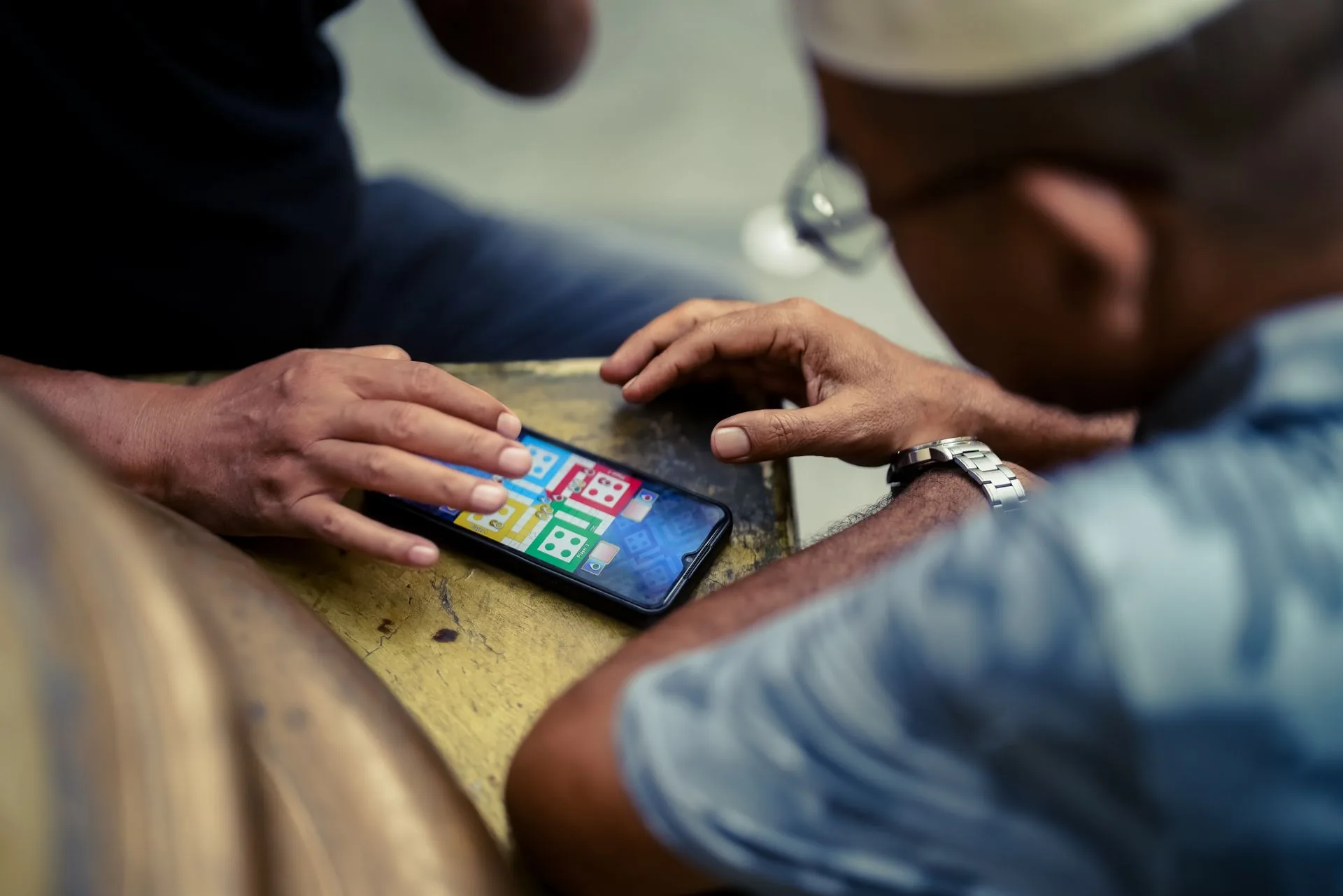
How Ludo Odds Actually Work: A Closer Look at the Dice
Most "how to win at Ludo" content online amounts to vague advice like "be patient" or "don't take risks," none of which actually explains anything, because the real answer to almost every decision in

Ukraine and Romania Are Quietly Becoming Mobile Gaming's Fastest-Growing Markets
Mobile gaming market reports over the past couple of years have repeatedly flagged a cluster of Eastern European and Central Asian markets posting download and engagement growth well above global aver