
The Universal Appeal of the Five-Minute Game

Play the game
Bubble Shooter Pro
There's a particular kind of game that exists in almost every culture on earth, usually without anyone in one country realizing the version in another country exists at all. It has simple rules, a board or a deck of cards, room for two to six players, and a turn that takes about ten seconds to complete. Nobody invented this category of game on purpose. It just kept getting reinvented, independently, by people who all arrived at roughly the same answer to roughly the same problem: how do you build something fun enough to play for hours, using nothing more complicated than dice, tiles, or a deck of cards.
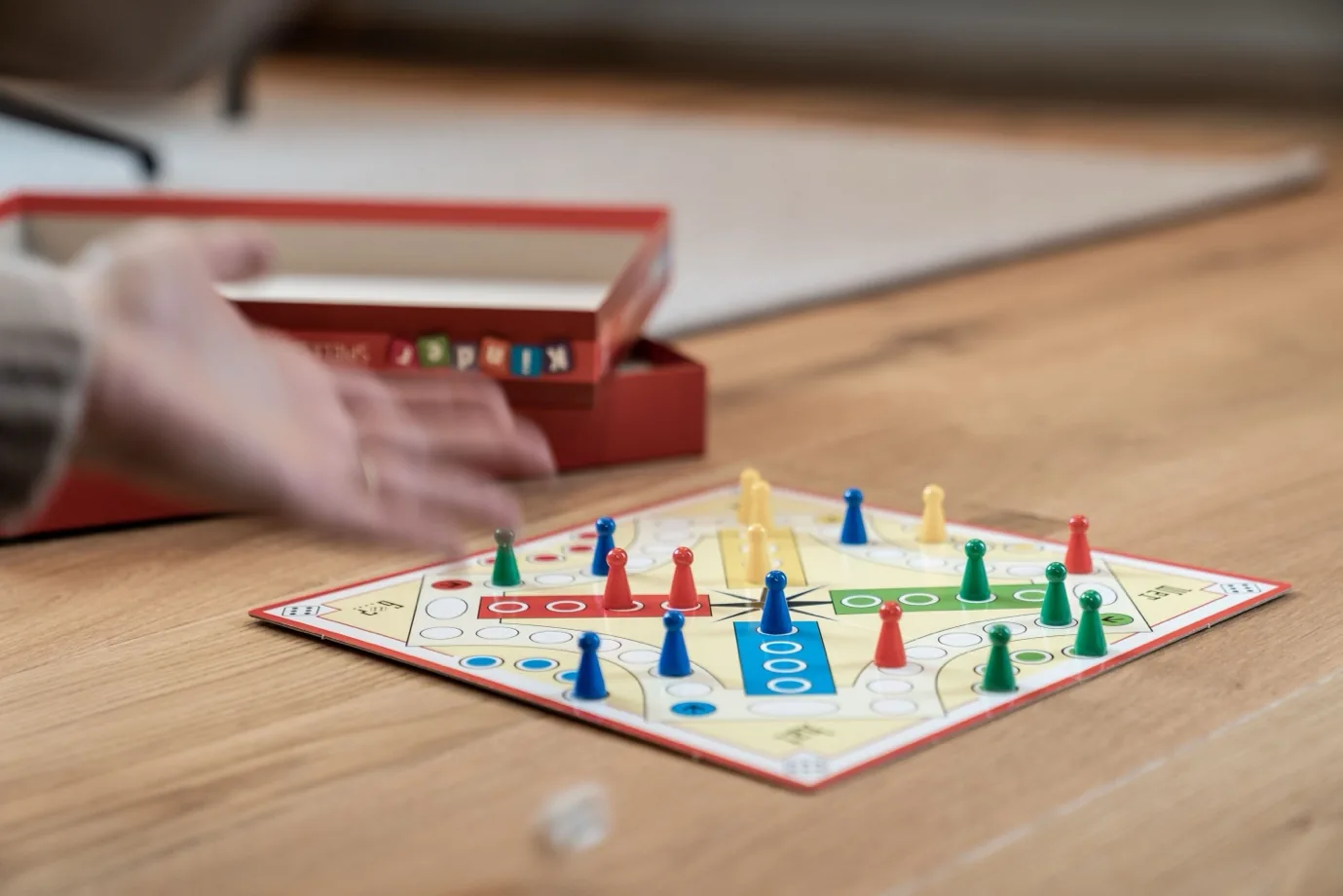
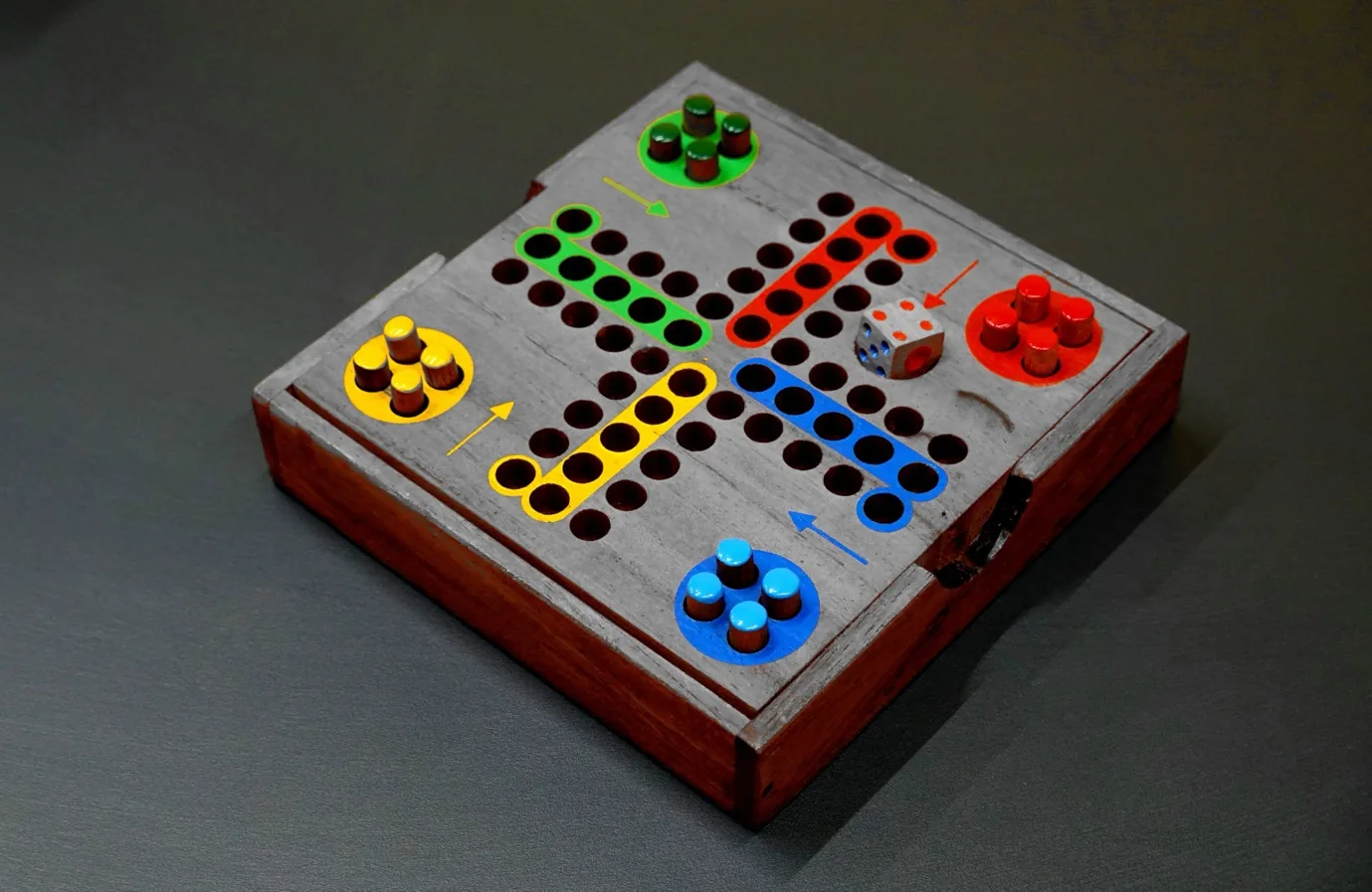
Start with Pachisi, since it's probably the oldest member of this family still recognizable today. The game originated in India centuries ago, and the popular legend — likely embellished, but persistent enough to be worth repeating — holds that Emperor Akbar played it on a human-scale board built into the courtyard of his palace at Fatehpur Sikri, with his own attendants standing in as the playing pieces. Whether or not that detail is literally true, Pachisi's cross-shaped board and capture mechanic spread widely enough across South Asia that nearly every household game cupboard in the region still has some version of it. The mechanic eventually traveled west and got reinvented under different names by people who likely never saw the original: Parcheesi became the standardized American version, and in Germany, a manufacturer named Josef Friedrich Schmidt patented his own variant in 1910 under the name Mensch ärgere dich nicht — roughly, "man, don't get angry" — which became one of the best-selling board games in German history almost entirely on the strength of cheap, mass-produced sets sold to families after the First World War.
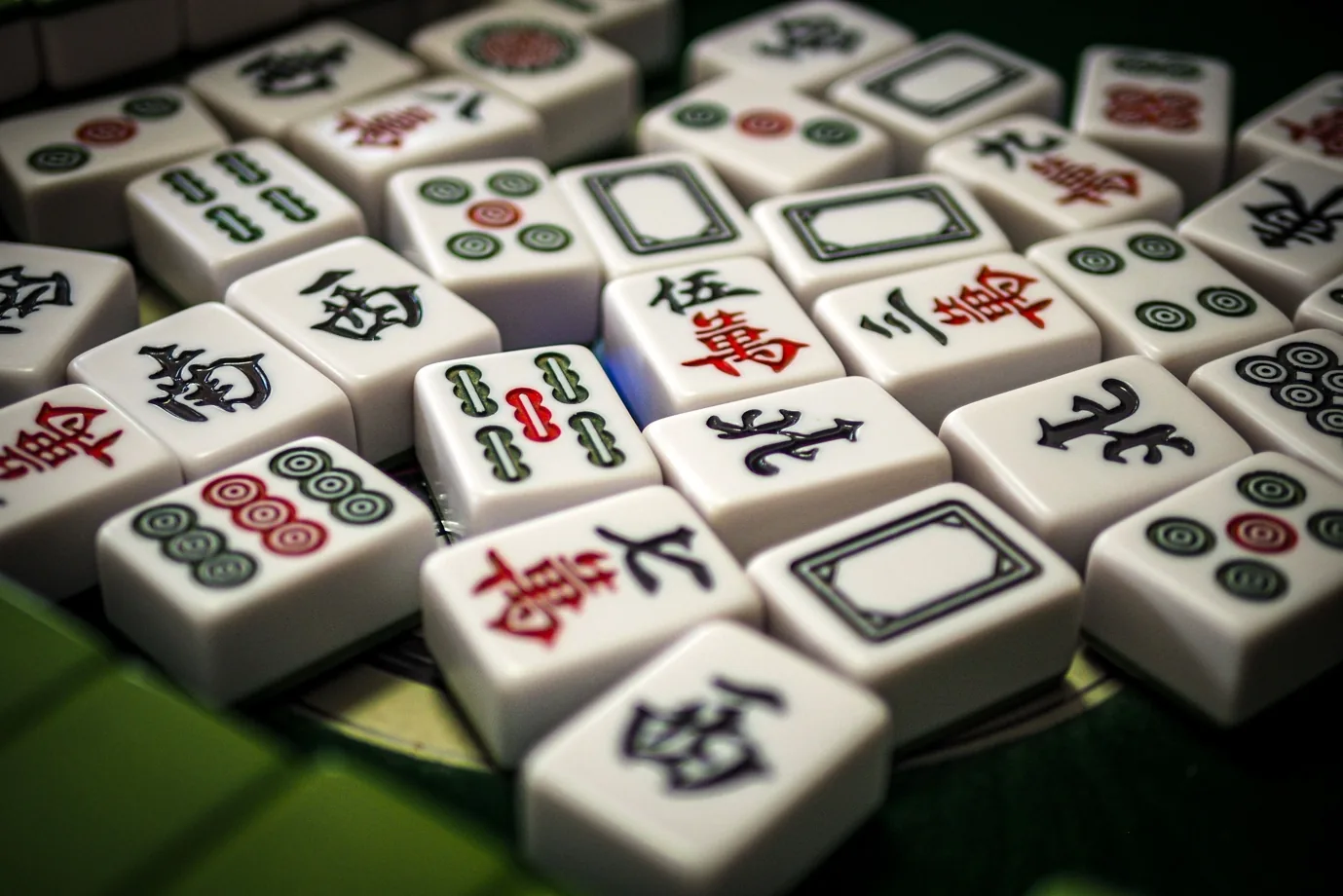
Mahjong tells a different but oddly parallel story. It emerged in China sometime in the 1800s, built around physical tiles rather than cards or dice, and its appeal was never really about the complexity of the scoring — it was about the ritual. Four players, a shuffled wall of tiles, and a rhythm of drawing and discarding that doesn't require constant concentration but does require enough attention to keep you at the table. That ritual quality is exactly why Mahjong became a fixture of Lunar New Year gatherings across East Asia, passed from grandparents to grandchildren as much through repetition as through explicit teaching. It's also why Mahjong has had one of the more surprising second lives in mobile gaming — titles like Mahjong Soul built an entire competitive scene around digitizing something that used to require four people, a physical table, and an afternoon with nothing else planned.
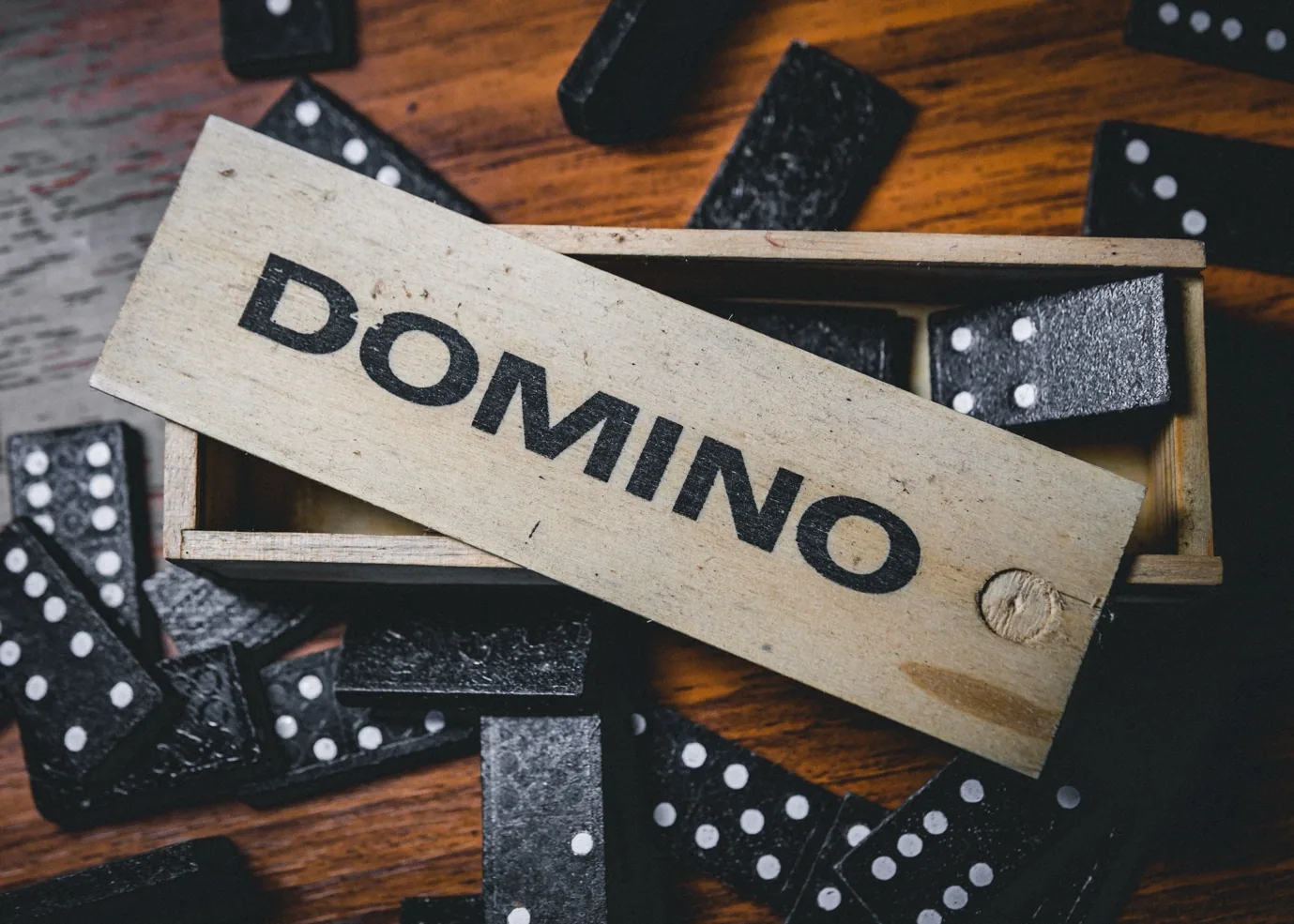
Dominoes earned its place in this category through volume of noise as much as volume of players. Walk through almost any neighborhood in the Dominican Republic, Puerto Rico, or Cuba on a weekend evening and you'll hear it before you see it — tiles slammed onto a folding table hard enough to be a percussion instrument in its own right, often with money or pride on the line in informal neighborhood leagues that have existed for generations. The game also has a strong, less-discussed foothold across parts of West Africa, carried in part through historical trade and migration routes that connected the region to the Caribbean long before anyone was thinking about board games as cultural export. Nobody designed dominoes to be loud. The tiles just happen to make a sound when 80 years of accumulated tradition says you should hit the table harder than necessary.
What ties Pachisi's descendants, Mahjong, and dominoes together isn't a shared origin — there isn't one — it's a shared design instinct that kept getting rediscovered independently across cultures that had no contact with each other when these games were taking shape. Low literacy requirements. Minimal setup. A turn structure simple enough that a new player can be productively playing within two minutes, but a depth of social ritual deep enough that the same group will sit down and play the same game again next week, and the week after that, for years.
That's also exactly why these games have made the cleanest jump to digital of almost any genre. A platform doesn't need to convince anyone that Ludo, Mahjong, or dominoes are worth learning. The convincing happened generations ago, in living rooms and courtyards and folding tables most of these players have never set foot in themselves. The only job left is making the dice roll feel as good on a screen as it did on a board.
Which board games do you play with your family!
(With inputs from VaryGaming editorial team)
Play these games

More from the blog
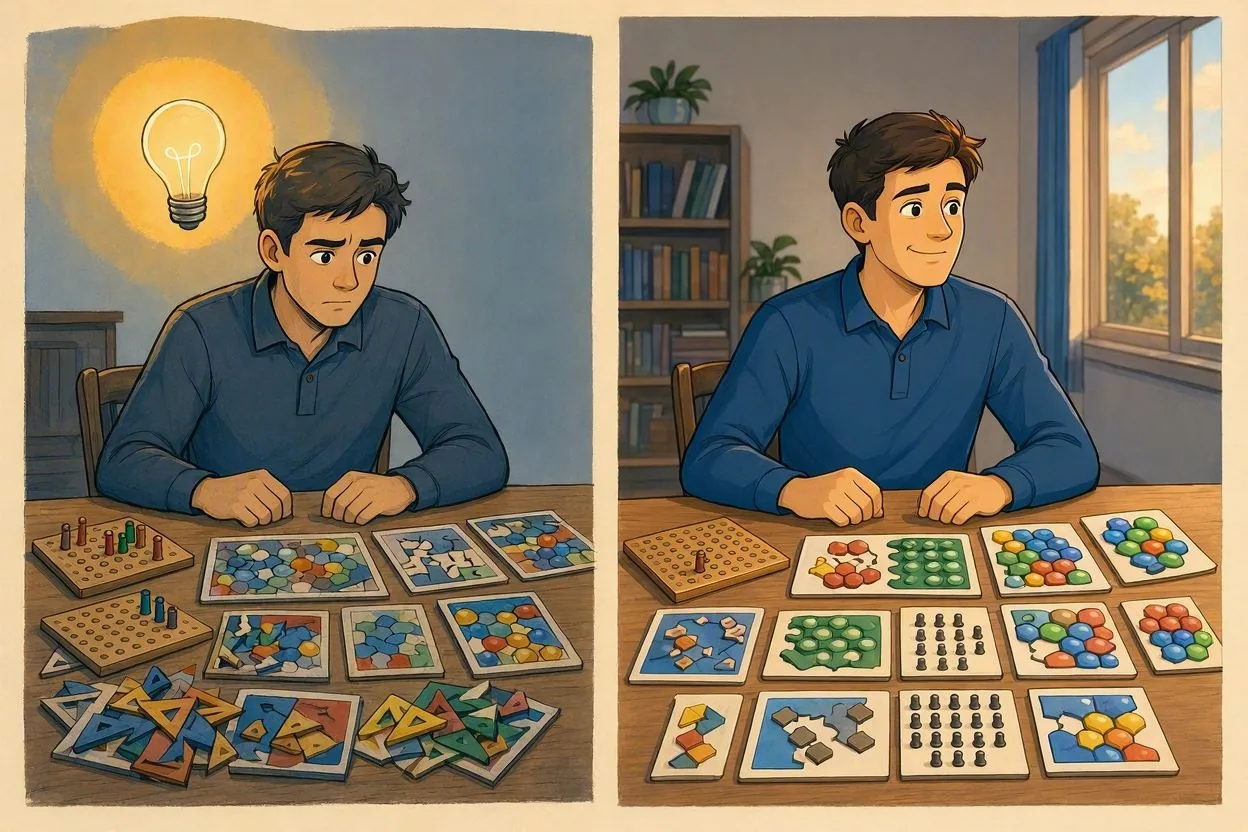
Puzzle Game Design: Why the Best Levels Feel Impossible Until They Aren't
There's a specific moment in every great puzzle game that designers chase and players live for. You've been staring at the same screen for five minutes. You've tried every obvious move. You're convinc
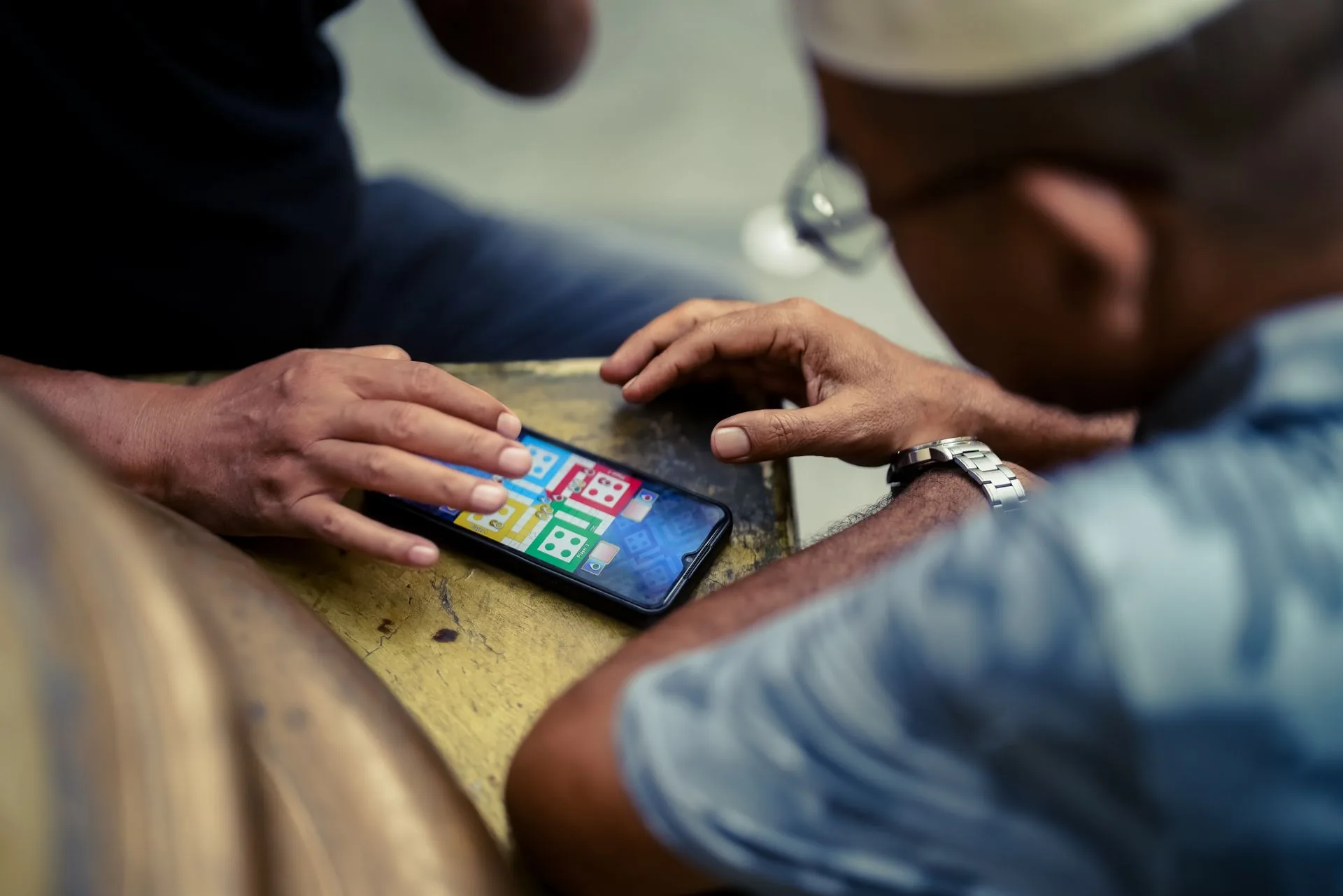
How Ludo Odds Actually Work: A Closer Look at the Dice
Most "how to win at Ludo" content online amounts to vague advice like "be patient" or "don't take risks," none of which actually explains anything, because the real answer to almost every decision in
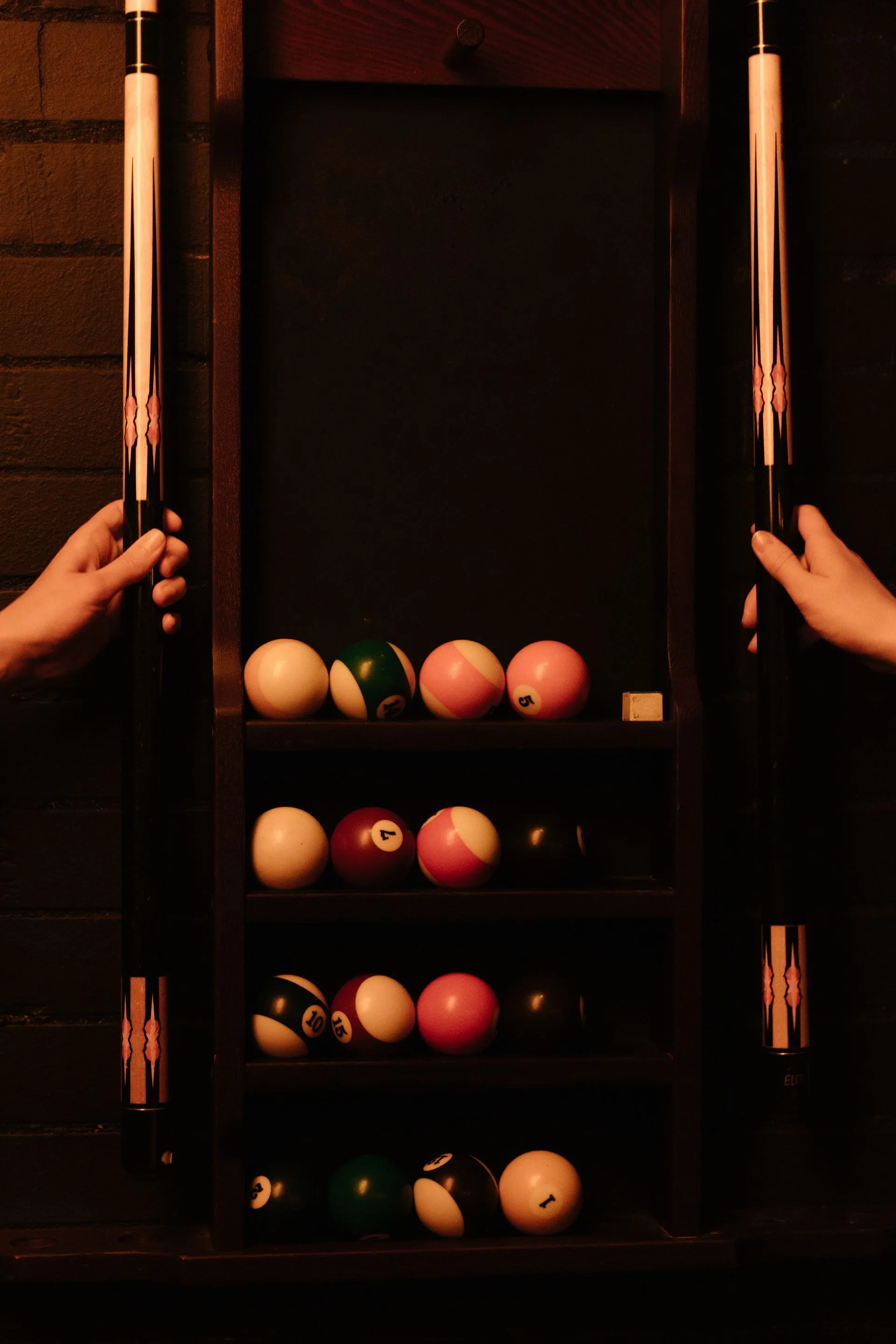
Eight Ball Pool Strategy Basics Most Players Skip
Most people learn pool the same way: someone shows them how to hold a cue, explains that you have to pot your group of balls before the eight, and then leaves them to figure out the rest by trial and