
Why the Philippines Has Become Southeast Asia's Most Underrated Mobile Gaming Market

Ask most people in the gaming industry to name Southeast Asia's biggest mobile market and they'll say Indonesia, almost reflexively, because the population number is the easiest fact to remember. Ask them to name the most engaged market in the region and the answer changes. For several years running, global digital behavior reports — the kind compiled annually by firms like We Are Social — have ranked the Philippines at or near the top of the entire world for average daily time spent online, frequently ahead of markets with far larger gaming industries and far more attention from publishers. That gap between attention and engagement is the whole story.

Part of the explanation is structural. Mobile data pricing in the Philippines dropped faster than smartphone ownership climbed, which created an unusual sequencing: a population that got cheap, abundant data before it had fully built the spending habits that usually come with mature smartphone markets. Telcos like Globe and Smart spent years competing aggressively on data bundle pricing specifically because data, not voice calls, became the actual battlefield for customer retention. The result is a population that can afford to stay online constantly but can't necessarily afford to spend much once they're there — which sounds like a contradiction until you actually look at how Filipino mobile users behave inside games.
That behavior has a name publishers use carefully in internal reporting: game-hopping. Filipino mobile users download games at a high rate and abandon them just as quickly, with comparatively little of the brand loyalty that markets like Japan or South Korea show toward established titles. Mobile Legends: Bang Bang is the one major exception — it has achieved something close to a national pastime in the Philippines, complete with barangay-level community tournaments that function more like local sports leagues than gaming events. But Mobile Legends is the outlier precisely because it's the rare title that broke through the game-hopping pattern, not proof that the pattern doesn't exist.
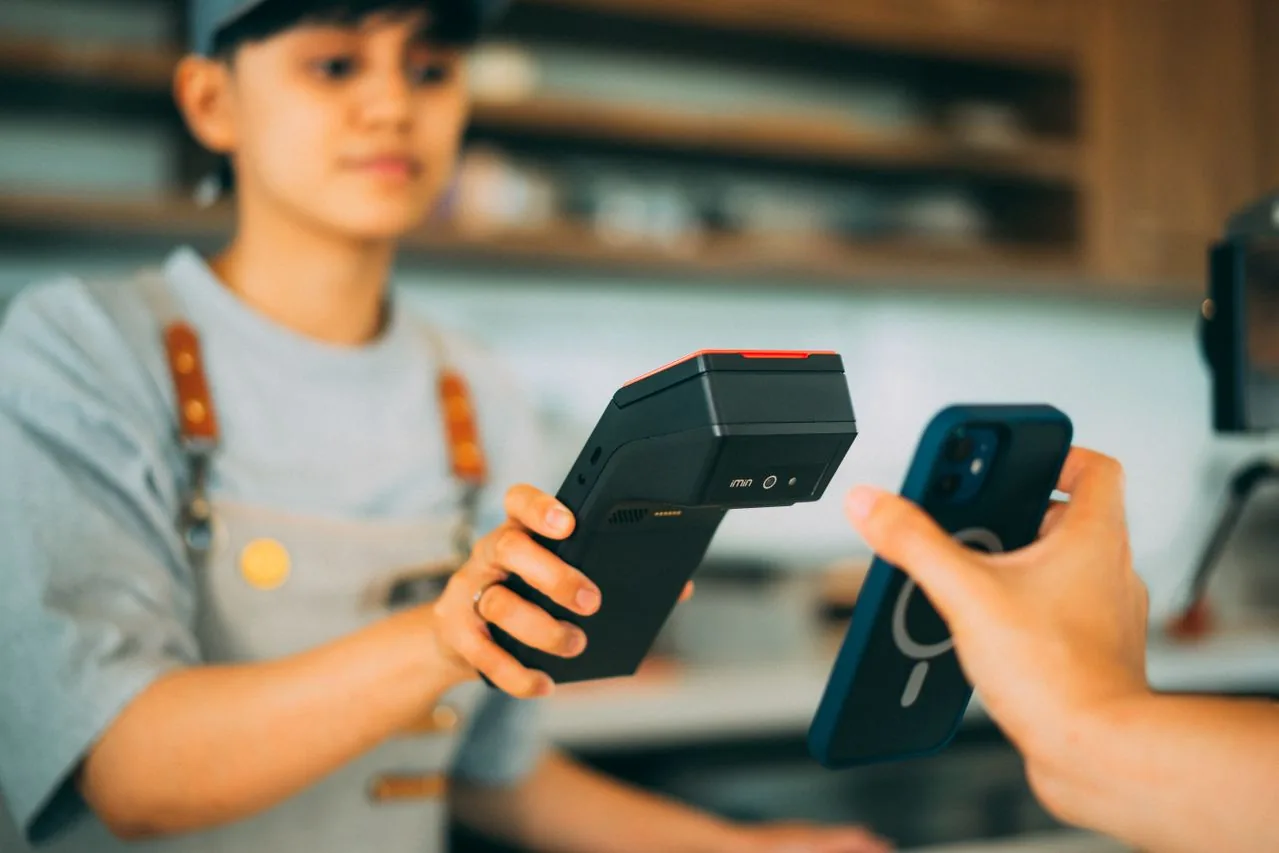
For publishers running premium or IAP-heavy titles, this creates a genuinely difficult monetization equation. High install volume looks great on a dashboard. Low average revenue per user looks much less great a quarter later, when the team has to explain why a market with strong download numbers isn't converting into meaningful paid revenue. This is the tension publishers actually report when they talk honestly about the Philippines: the engagement metrics are some of the best in the region, and the monetization metrics, measured the way premium mobile games usually measure them, are some of the weakest.
That mismatch is exactly why ad-supported casual portals tend to perform differently here than premium titles do. A user who won't convert to a $4.99 IAP will still sit through a rewarded video ad for an extra spin or an extra life, because the cost to them is time, not money, and the Philippines has already proven it has more spare attention than spare cash. GCash, the dominant mobile wallet in the country, has made small transactions easier than they used to be, which is slowly chipping away at the IAP resistance — but slowly is the operative word. The audience that made the Philippines one of the most online populations on earth didn't get there by spending freely. It got there by being constantly, almost reflexively connected, in a way that rewards engagement-based monetization far more reliably than it rewards a paywall.
None of this makes the Philippines a smaller opportunity than its bigger SEA neighbors. It makes it a differently-shaped one — a market where the audience is already there, already engaged, and already willing to trade attention for in-game value, waiting for publishers to stop treating it like a smaller version of Indonesia and start building specifically for the behavior the data has been describing for years.
More from the blog

Saudi Arabia's Gaming Investments Are Bigger Than Most People Realize
The easy version of this story writes itself: a petrostate with deep pockets decides gaming looks profitable, buys some equity stakes, collects a press cycle's worth of headlines, moves on. That frami

Ukraine and Romania Are Quietly Becoming Mobile Gaming's Fastest-Growing Markets
Mobile gaming market reports over the past couple of years have repeatedly flagged a cluster of Eastern European and Central Asian markets posting download and engagement growth well above global aver

Nigeria's Mobile Gaming Surge and the Myth of the "Next Billion" Player
"The next billion users" is one of those phrases that has been recycled so many times across so many tech sectors that it's stopped meaning much of anything specific. It gets attached to India, to Ind